
Literature and tea. An 8-minute read, best with a gentle green tea.
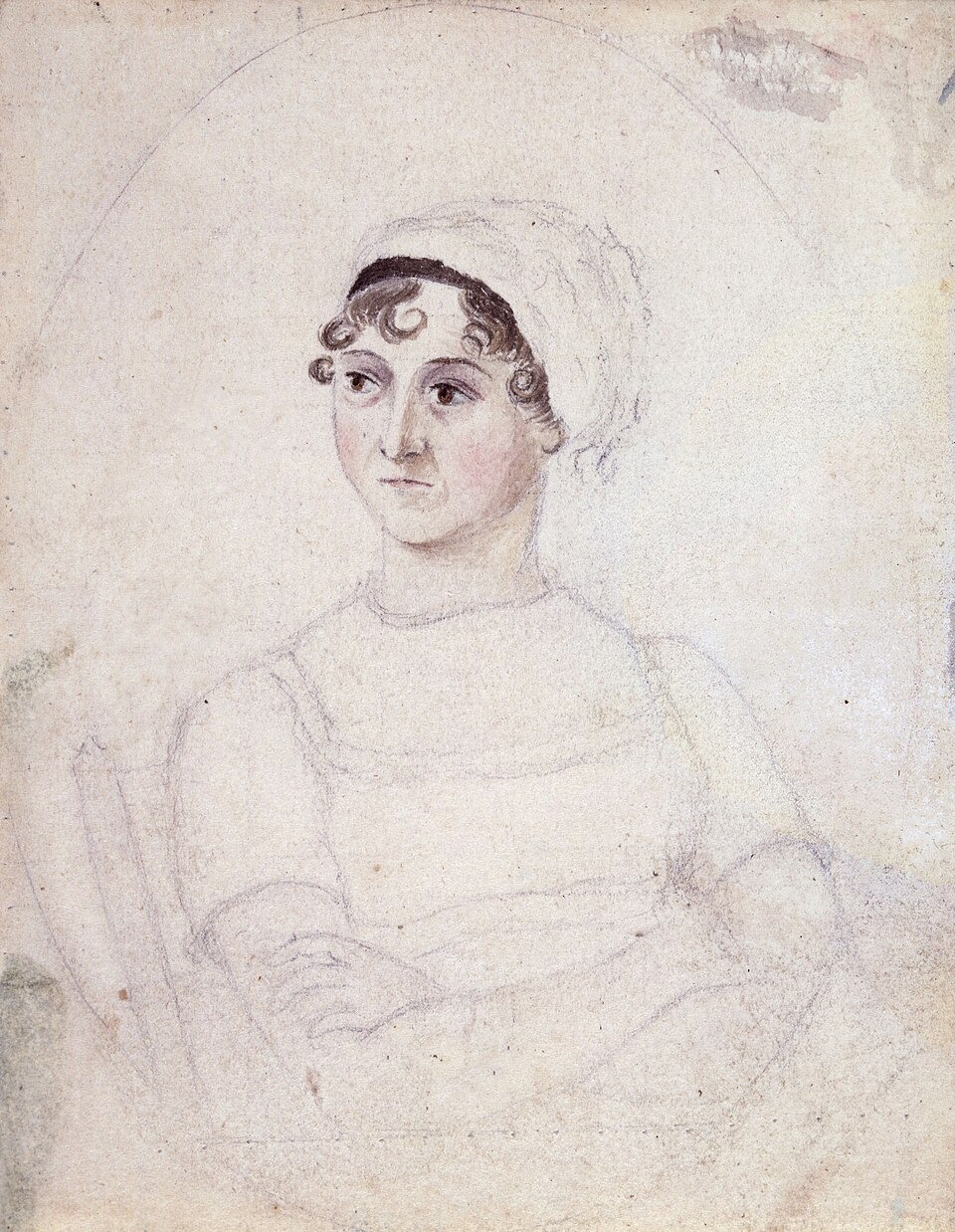
Jane Austen was born on 16 December 1775, exactly two years after the Boston Tea Party. It is a pleasing coincidence for a writer whose novels are full of drawing rooms, visits and the quiet theatre of the tea table.
Keeper of the tea caddy
At Chawton Cottage in Hampshire, where Jane lived from 1809 with her mother, her sister Cassandra and their friend Martha Lloyd, her household duties were light, which left her time to write. According to her niece Caroline, Jane made breakfast each morning at nine, and the tea and sugar stores were in her charge.
That was a real responsibility. Tea was still expensive in the early 1800s, heavily taxed and often adulterated by unscrupulous sellers. Families kept it in lockable caddies to stop it disappearing. Jane bought hers from a merchant she could trust: Twinings, on the Strand in London, which is still trading from the same address today.
Tea in the novels
By one count, the word “tea” appears more than a hundred times across Austen’s major works. Yet she rarely lingers over the drink itself. What interests her is everything that happens around it: who is invited to stay for tea, who pours, who manages to sit next to whom, and what is said, or pointedly not said, while the cups go round.
In her world, tea was served in the evening after dinner and at gatherings after a dance, as in the Bath assembly rooms of Northanger Abbey. It was a moment when the whole company came together, when conversation could turn, and when a glance across the room might change everything. The afternoon tea of tiered stands and scones came later, in the Victorian era.
In Austen’s world, the tea table is where the real story happens.
Take tea with Jane
- Visit Jane Austen’s House at Chawton, where the cottage kitchen and family rooms are open to the public.
- Read the evening scenes in Emma or Pride and Prejudice with a pot beside you, and notice how often a cup changes the course of a conversation.
- Pour a gentle green tea. Green teas were widely drunk in Georgian England, before black tea became the national habit.
Image: Cassandra Austen, c. 1810, public domain, via Wikimedia Commons. Sources include Jane Austen’s House, the Jane Austen Society of North America and NPR.